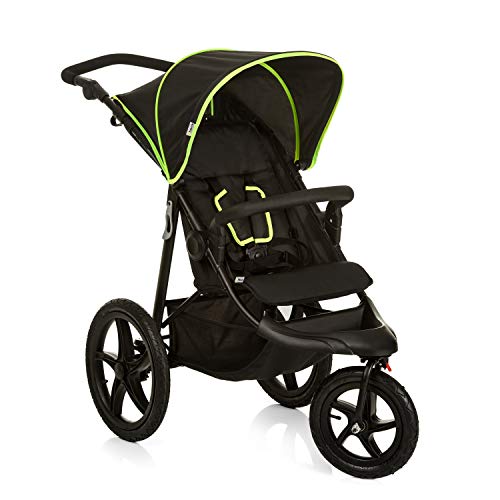
15 Things You Didn't Know About 3 Wheeled Buggy


The Versatile World of Three-Wheeled Buggies: A Comprehensive Guide
Three-wheeled buggies represent a distinct section in the world of transportation and recreation. These unique lorries combine movement with benefit, providing ingenious services for numerous activities-- whether for leisure, sport, or daily jobs. In this post, we will explore the functions, advantages, and alternatives readily available in the market for three-wheeled buggies. In addition, we will resolve typical questions and supply a hassle-free comparison table for various models.
What is a Three-Wheeled Buggy?
A three-wheeled buggy is a lightweight, typically compact car developed mostly for transport or leisure activities. The style features one wheel at the front (or, sometimes, at the rear) and two wheels at the back (or vice versa). These buggies can be manual or powered and are commonly utilized in numerous applications, consisting of:
- Recreational Activities: For leisure trips, racing, or off-road experiences.
- Transportation Needs: For individuals with movement obstacles or for fetching items in tight spaces.
- Sporting Events: Like racing or specific sports designed for three-wheeled automobiles.
Why Consider a Three-Wheeled Buggy?
Three-wheeled buggies featured a series of benefits, making them attracting a varied audience. Here are some reasons that one may consider purchasing a three-wheeled buggy:
1. Stability
The unique wheel plan offers enhanced stability compared to traditional bikes and scooters, making it ideal for users of any ages and physical abilities.
2. Maneuverability
With a compact design, three-wheeled buggies can quickly browse through tight areas where bigger automobiles may struggle.
3. Versatile Use
From leisure to energy, three-wheeled buggies serve numerous functions, making them a multifunctional choice.
4. Security Features
Numerous modern-day buggies consist of safety features such as seat belts, roll bars, and enhanced braking systems, offering extra assurance for users.
5. Environmental Benefits
Electric designs promote a greener means of transportation, decreasing the carbon footprint and promoting sustainable living.
6. User-Friendly
Three-wheeled buggies frequently need less physical effort to run, making them available to a broader audience-- including seniors and individuals with disabilities.
Table: Comparison of Popular Three-Wheeled Buggies
Here is a comparison table of some of the most popular three-wheeled buggies on the marketplace:
| Model Name | Type | Wheel Configuration | Max Speed | Weight Capacity | Price Range |
|---|---|---|---|---|---|
| XYZ Trike | Handbook | 1 Front, 2 Rear | 10 miles per hour | 300 pounds | ₤ 300 - ₤ 500 |
| ABC Electric Buggy | Electric | 1 Front, 2 Rear | 15 mph | 400 pounds | ₤ 800 - ₤ 1200 |
| RST Sport TriCycle | Racing | 1 Front, 2 Rear | 20 mph | 250 lbs | ₤ 900 - ₤ 1500 |
| Adaptive Cruiser | Adaptive | 1 Front, 2 Rear | 8 mph | 350 pounds | ₤ 600 - ₤ 900 |
| Off-Road Explorer | Off-Road | 1 Front, 2 Rear | 12 mph | 350 lbs | ₤ 1000 - ₤ 1800 |
Factors to Consider When Choosing a Three-Wheeled Buggy
When picking a three-wheeled buggy, numerous crucial aspects must be thought about to guarantee that it fulfills the user's specific requirements. These consist of:
1. Intended Use
Identify whether the buggy will be used for leisure, sport, or transport purposes, as this will considerably influence the style and features required.
2. Weight Capacity
Ensure that the buggy can accommodate the weight of the user and any extra freight, specifically for those preparing to use it for transport.
3. Personalization Options
Explore designs that offer adjustable features or customized alternatives to enhance comfort and performance.
4. Storage Needs
Consider whether the buggy has adequate storage options for ease of use, particularly if it will be used for errands or traveling.
5. Budget
Three-wheeled buggies can be found in numerous prices, so it's vital to find a model that fits within the spending plan while still satisfying quality and functional requirements.
Frequently Asked Questions About Three-Wheeled Buggies
1. Are three-wheeled buggies safe for children?
Yes, lots of three-wheeled buggies are created with safety in mind and can accommodate children, however it's necessary to check the producer's age suggestions and security features to make sure proper use.
2. What is the maximum speed of a three-wheeled buggy?
The maximum speed differs by design. Manual buggies typically have slower speeds (around 10 mph), while electric designs can reach speeds of up to 15-20 miles per hour.
3. Can three-wheeled buggies be used on rough surface?
Some designs are specifically designed for off-road usage and come geared up with larger tires and enhanced suspension systems, enabling them to handle rough terrain comfortably.
4. Is it essential to wear a helmet when utilizing a three-wheeled buggy?
While not always lawfully needed, wearing a helmet is extremely advised for security, especially for manual and racing designs.
5. Can 3 Wheeler Stroller ride with a traveler on a three-wheeled buggy?
Many designs can accommodate several passengers, however it's vital to inspect the weight limitation and design specifications to guarantee security.
Three-wheeled buggies represent a flexible and useful service for various movement needs. They integrate enjoyable, stability, and functionality, making them ideal for a broad spectrum of users. Understanding the various models, features, and factors to consider highlighted in this guide will help people make informed decisions when selecting the right three-wheeled buggy for their way of life. Whether for leisure, transportation, or sport, these distinct cars make sure to improve mobility and enjoyment in any setting.